






|
|
|
|
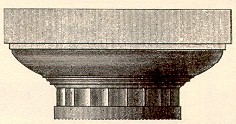
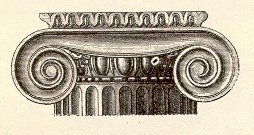
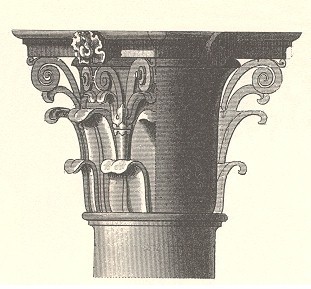
In the Doric order, a thick plain slab without dressing; in the Ionic order, with a molded lower edge; in the Corinthian order, with concave sides and the corners removed. In the architecture of ancient Egypt a large thick cube. By working the ends of such blocks artisans produced a laterally spreading form of capital, later detailed by addition of moldings, multiplication of parts, and ornamentation with abstract, floral, zoomorphic forms.
| ||||||||
Thank you for visiting BIBARCH™ |